Workstation Selection for Packaging Lines: Matching Gearboxes to the Duty
Each packaging station has its own ratio, torque and backlash requirements, so start with the station motion, then choose the gearbox type and accuracy grade. Planetary gearboxes suit servo-driven stations that need precise positioning, while worm gear reducers suit continuous-duty conveying and mixing stations.

Liquid Filling Station: Dosing Valves and Capping
Filling machines need stable flow at low speed, so a low-backlash planetary gearbox (ratio 10–50) with an encoder for positioning prevents dripping and fill-volume deviation.
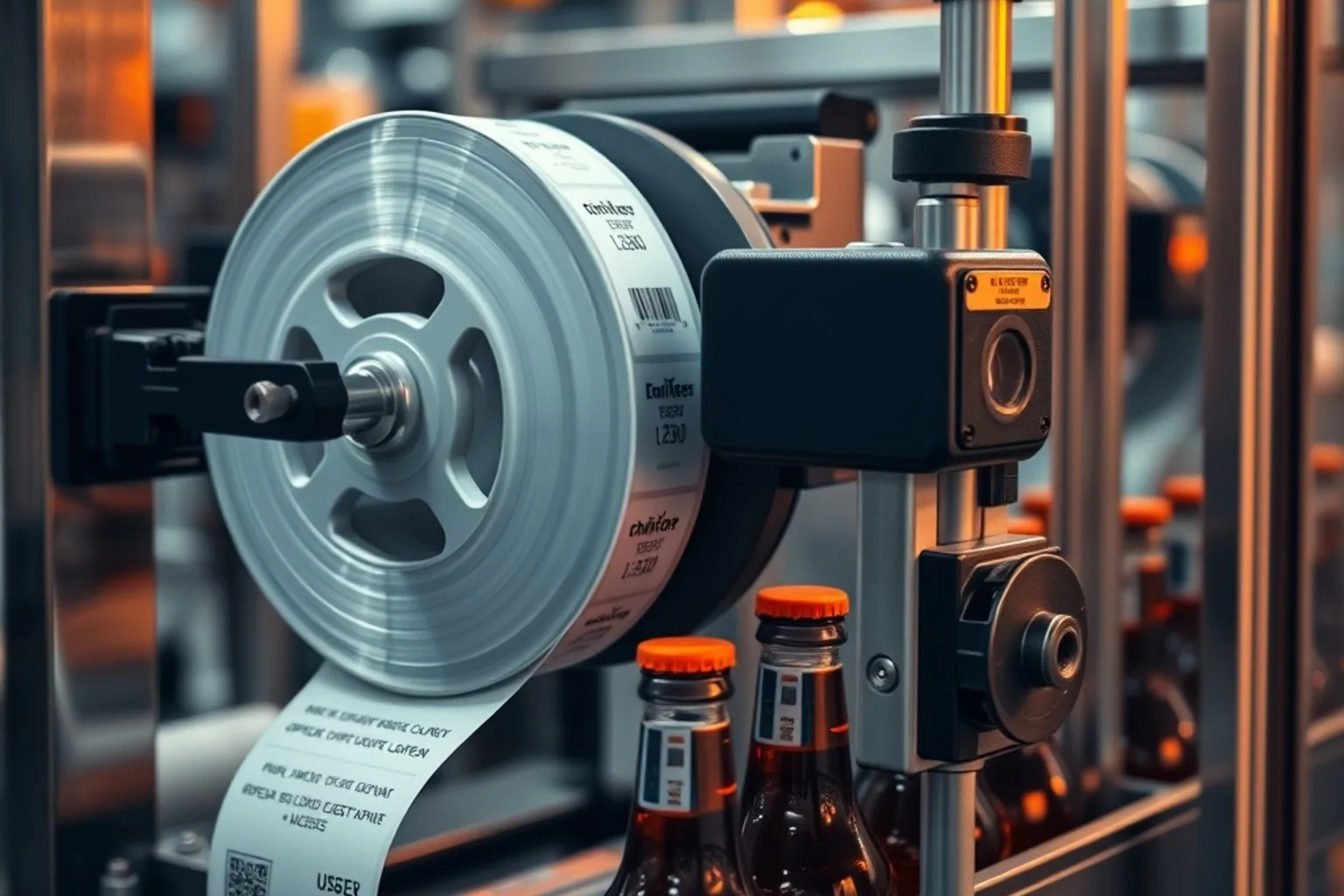
Labeling Station: Label Reels and Peel Plates
Label heads run at high speed and must stay synchronized with the conveyor, so a low-backlash planetary gearbox with a servo motor handles electronic cam timing, while the reel side uses a worm gear reducer to drive the high-inertia roll.
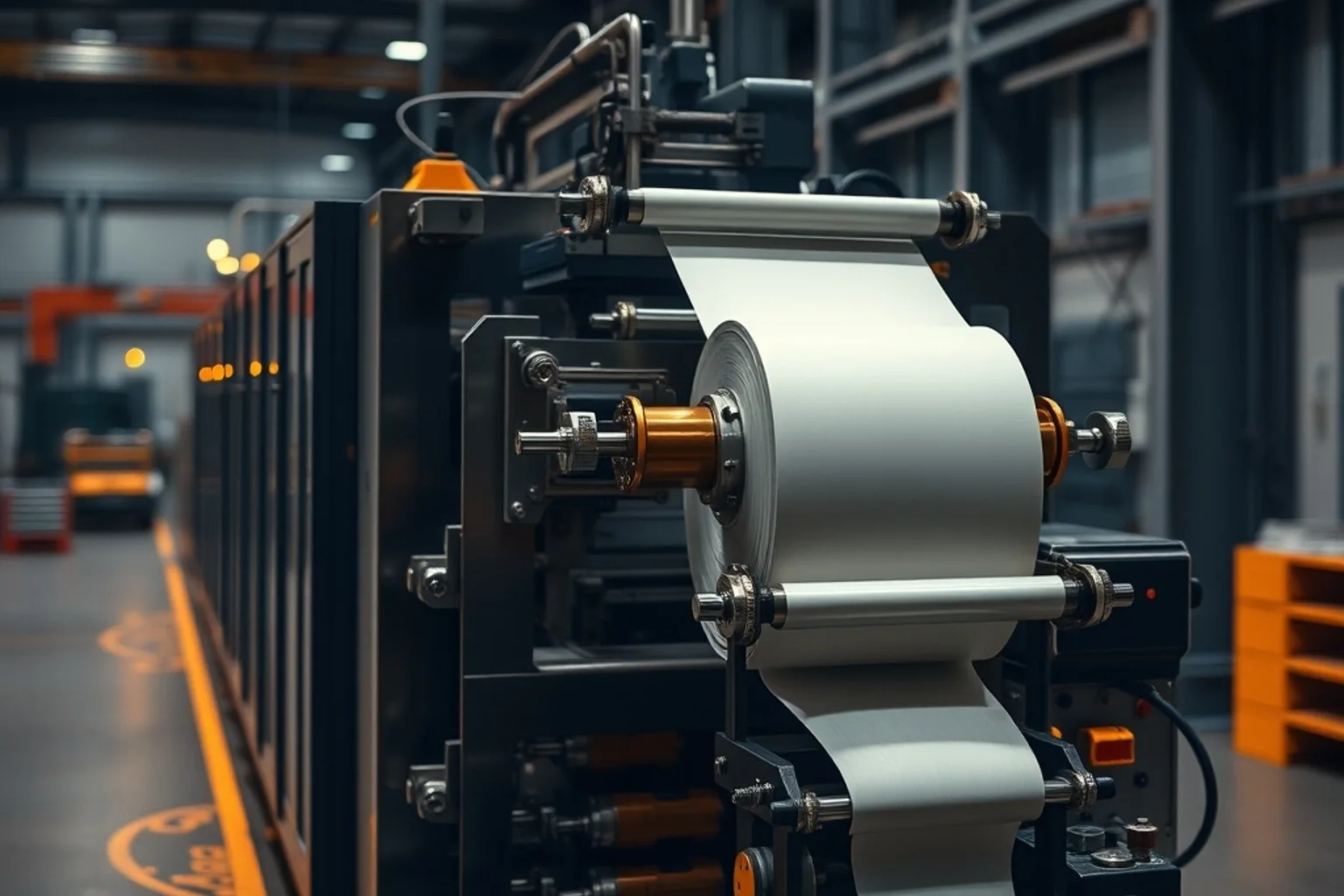
Flow Wrapping Station: Film Feeding and Cross Sealing
Film pull rollers start and stop frequently, so use a planetary gearbox with a 20–60 ratio and torque margin at low speed; the cross cutter shaft runs on a worm gear reducer for continuous, stable output.
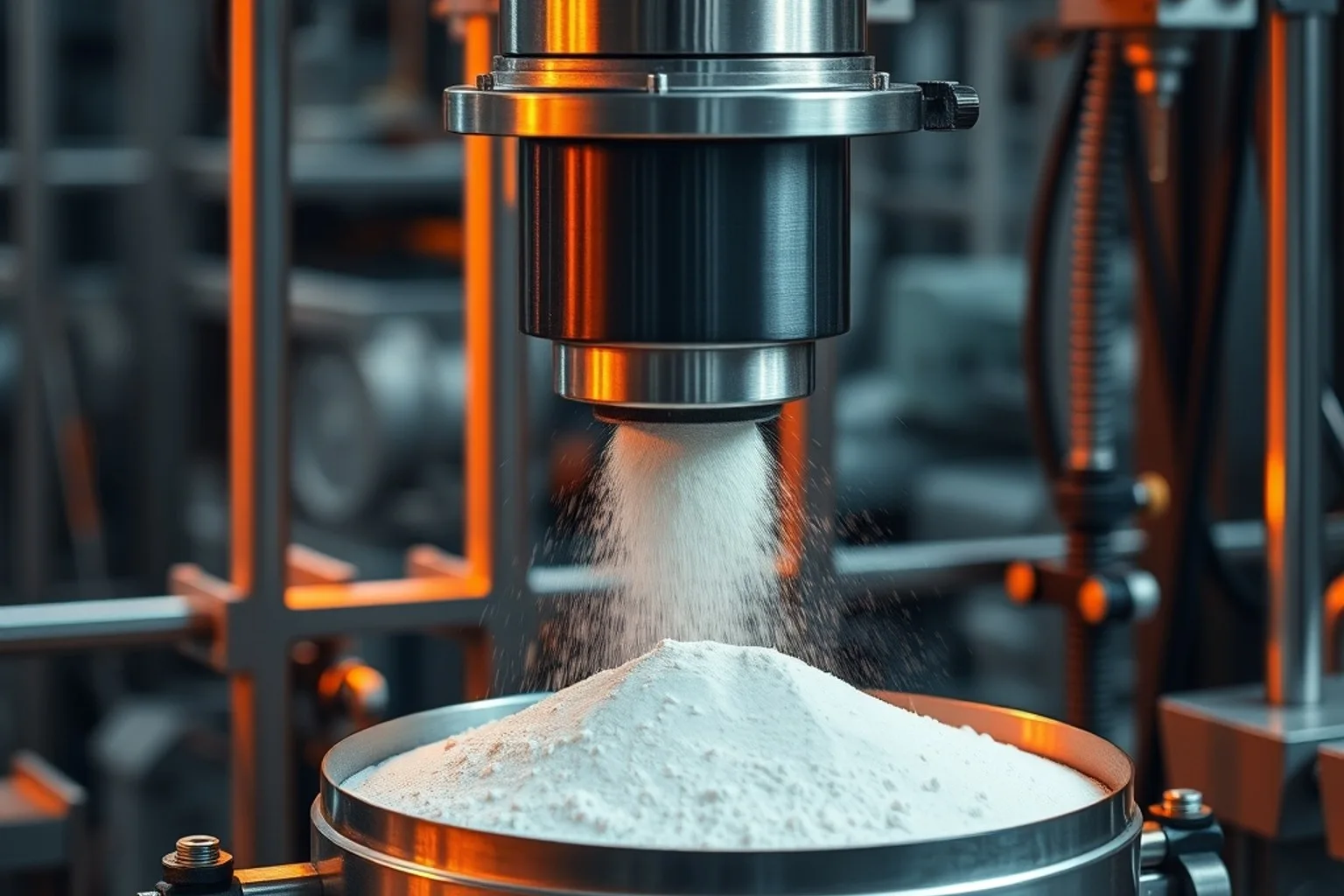
Dosing and Metering Station: Screw Feeders and Vibratory Hoppers
Dosing runs mainly continuous, so a worm gear reducer in the 20–80 ratio range balances overload capacity against noise, while load cells in closed loop control the dosing accuracy.
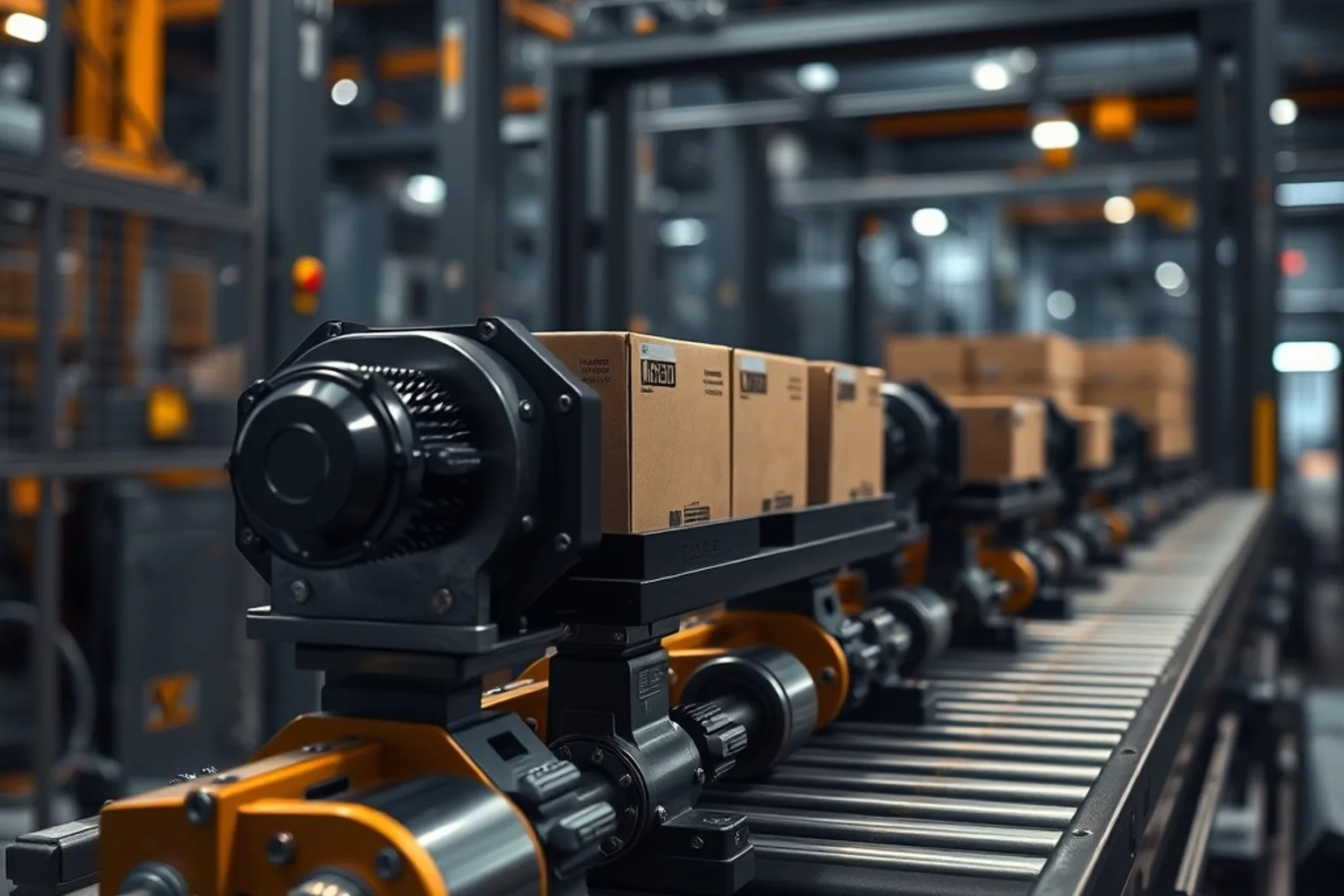
Case Packing and Palletizing: Diverting, Lifting and Pushing
Case packer diverters and palletizer pushers see high shock loads, so specify a worm gear reducer with at least 1.5 times the required output torque; where positioning accuracy is tight, a planetary gearbox remains the right choice.
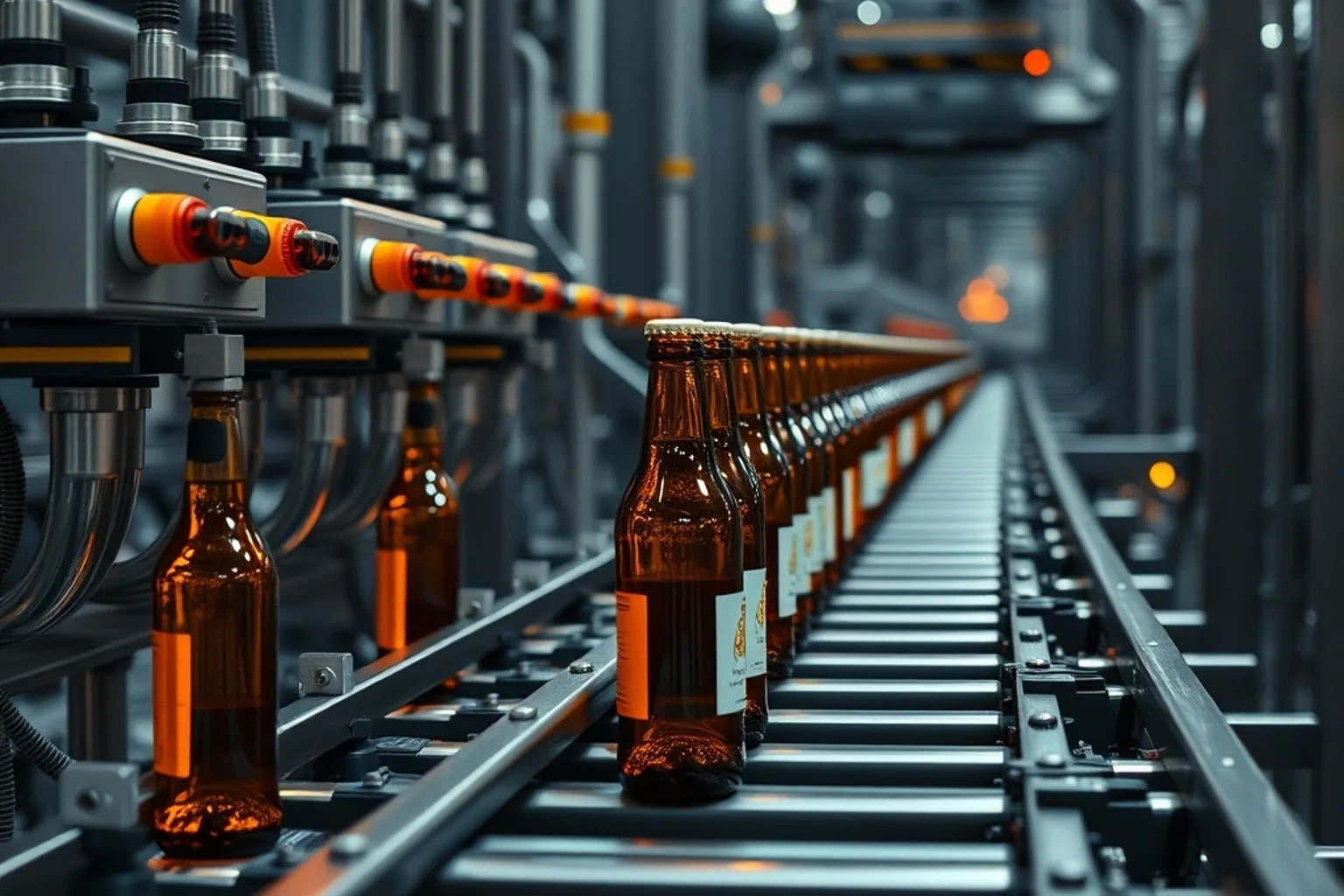
Filling Line Conveying and Auxiliary Station Drives
Sprockets, indexing and side-push mechanisms on the conveyor run continuously, so worm gear reducers with hot oil or grease lubrication are used; encoders can be added at the output for stall and position monitoring.